
From lived experience to mitigating stigma: Postgraduate study in Addictive Behaviours
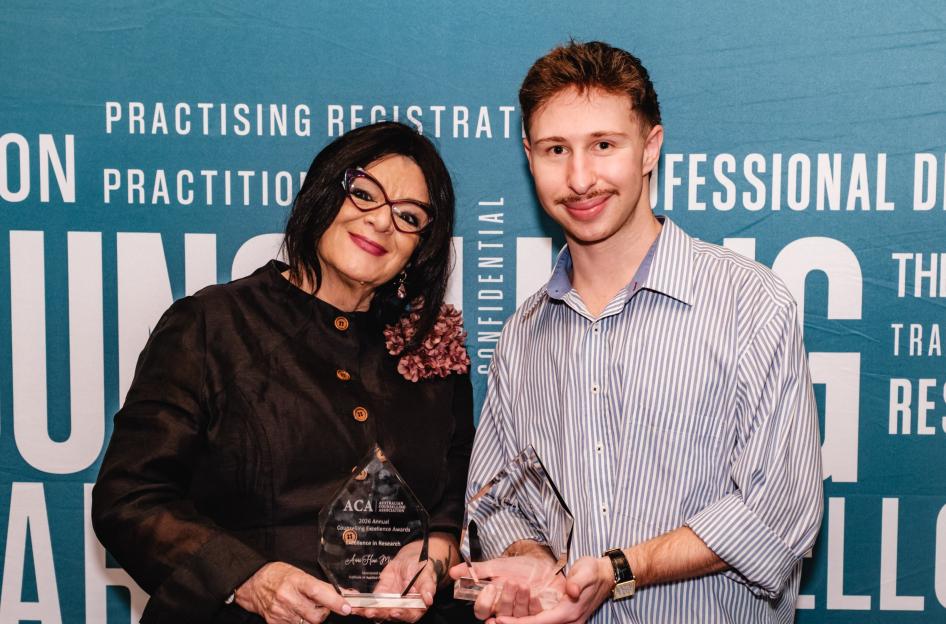
Recent graduate and senior peer support worker Jayden Fisher shares insights into the benefits of postgraduate study in Addictive Behaviours with Monash University.

As a Senior Alcohol and Other Drug (AOD) and Mental Health Peer Support Worker, Jayden Fisher entered the Graduate Diploma of Addictive Behaviours with personal insight into the experience of substance dependence.
“I wanted to complement this expertise with an academic, evidence-based understanding of how to best support people seeking treatment for substance use harms,” he says.
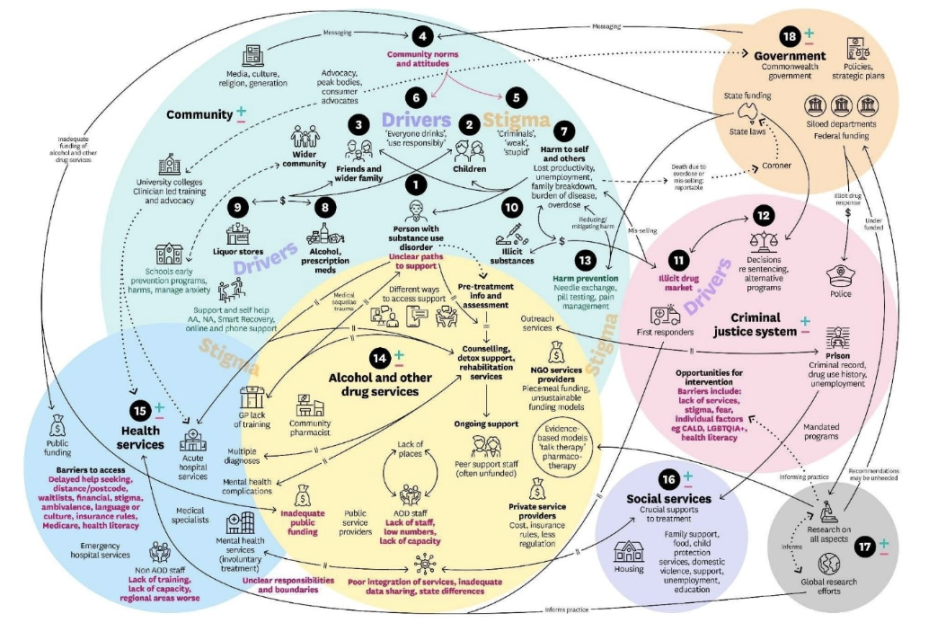
Strengthening his understanding of how systems and structures influence addictive behaviours was also a key motivation.
Now that he has graduated, Jayden says the course exceeded his expectations. “My professional practice has completely shifted since beginning the course,” he says.
Lived experience and barriers to accessing treatment
Jayden’s own experiences seeking help shaped his early understanding of substance use. When he approached services in the past, he engaged only in relation to mental health concerns, avoiding disclosure of substance dependence.
“At the time, I felt [experiencing harm from substances] reflected a personal failing,” he explains.
Studying the course both challenged and reframed these beliefs. “Our learning began with understanding the pervasiveness of stigma towards substance use and dependence within society and health services,” Jayden says.
Exploring the evidence on stigma as a barrier to treatment helped him recognise how it had influenced his own journey and continues to affect his peers. He also gained a clearer understanding of how governments and other power structures can either reinforce stigma or drive meaningful change.
Already, Jayden has applied this learning by running co‑reflective sessions with colleagues on the impact and pervasiveness of stigma across health settings.
A broader perspective on addiction and improved care
Before studying, Jayden viewed addiction primarily as a biological condition. By examining the genetic/biological, psychological and sociocultural factors that contribute to the condition, the course’s explanation of a biopsychosocial framework of addiction reshaped that understanding.
“Unpacking the biopsychosocial framework of addiction was transformational for me,” he says. “I now see it as a dynamic process, particularly because of the course’s focus on the social components.”
This broader perspective has strengthened his ability to support clients and educate colleagues.
“It has given me far greater insight into the way individuals’ circumstances contribute to the harms they experience from addictive behaviours, but has also meant I feel confident educating my colleagues, which I believe increases the level of care we provide,” Jayden explains.
Confidence to apply culturally safe care
A particular highlight for Jayden has been learning about priority populations, particularly First Nations communities. “I work with many First Nations people at St. Vincent's, and I truly feel so much more able to provide culturally safe care,” he says.
The course encouraged students to deeply consider the biopsychosocial factors contributing to the disproportionate rates of harm experienced by Aboriginal and Torres Strait Islander peoples. “It’s one thing to understand the statistics, but we also considered how devastating the traumas associated with colonisation and discrimination have been for Aboriginal and Torres Strait Islander people’s health,” he explains.
Jayden recalls supporting a First Nations client experiencing significant barriers in their recovery, complicated by the fact that their social circle engaged in regular substance use. “The insight I gained from my studies meant I knew that the answer was not to suggest that they disconnect, as this social circle was also a point of cultural connection,” Jayden says.
He now feels equipped with a strong understanding of referral pathways and the importance of culturally safe care in improving treatment outcomes.
“Throughout this course, I gained such great confidence in how to use culturally safe, person-centred language that now allows me to play my role in mitigating stigma in my client-facing role,” he says.
Learn more about the Addictive Behaviours Graduate Program.
Watch a webinar to hear directly from course leaders and students about the program.
For media enquiries email [email protected] or call 0478 854 644.