
The power of mentorship in addiction research
Dr Kathy Watson explains how supportive mentors and rigorous feedback empowered her to explore stigma, inclusion and service improvement during her Master of Addictive Behaviours research.

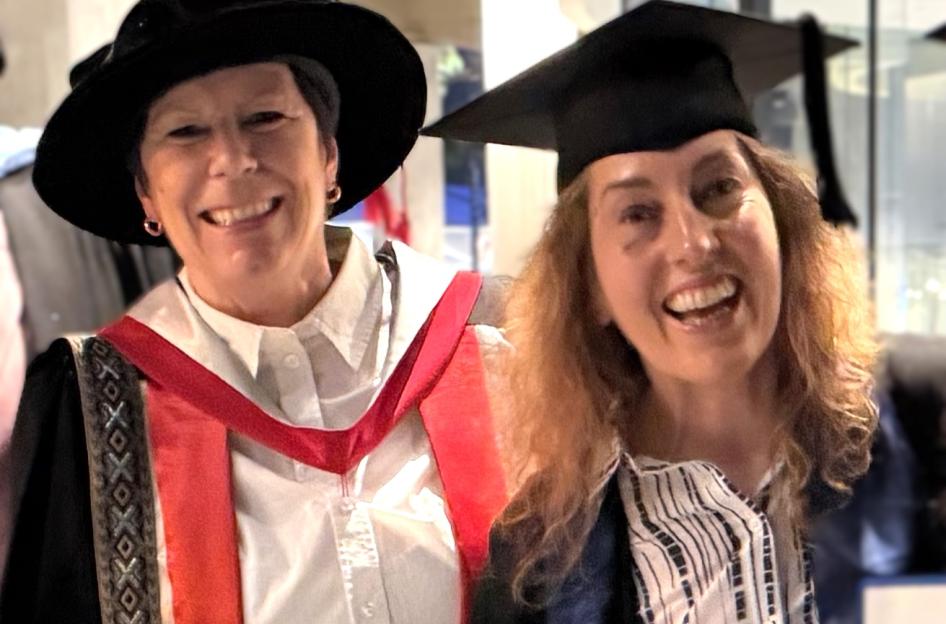
After 10 years as a psychiatrist and psychotherapist, Dr Kathy Watson was inspired to keep learning.
“I wanted to understand how psychiatrists and mental health services can be better equipped to respond to addiction problems within mental health treatment approaches,” she explains. “I am very interested in sociocultural aspects of addiction, as well as learning about the experiences of people who have problems with addiction.”
She enrolled in the Master of Addictive Behaviours to consolidate her professional expertise. But it was the prospect of working with experienced researchers and learning from inspiring teaching staff in the research stream that truly motivated her.
The benefits of undertaking a research project in the final Master year
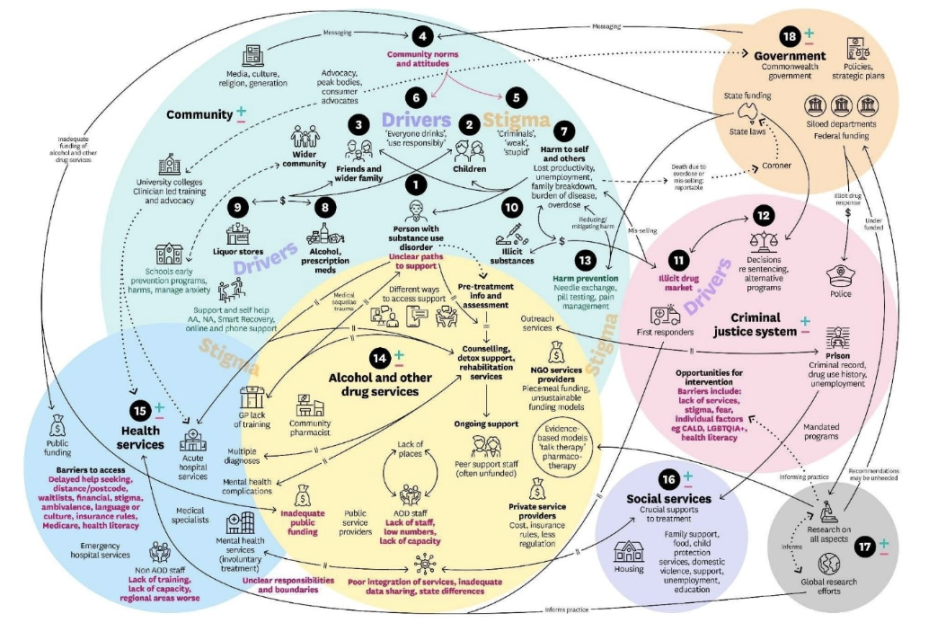
As part of a larger program of research, Dr Watson’s project used qualitative methods to explore mental health service leaders’ perspectives on stigma and inclusion for people with co-occurring substance use issues and mental illness.
Her project earned a 78% Distinction, and she speaks highly of the experience: “I really enjoyed the qualitative research and would like to do more. My supervisors and the research project team were all highly supportive.”
In particular, Dr Watson appreciated the support she received when gathering data and interpreting the results, as well as the comprehensive assessment feedback from researchers in the teaching team.
“The process of developing the literature review and project proposal, and the feedback I received, meant that my final report benefited from strong ideas and expertise throughout the editing and marking process.”
As a result of this depth of understanding and the research skills she gained through her studies, she now intends to become more involved in research within her own work.
“I'm very thankful for such a positive experience being mentored during my research,” she says.
For anyone considering furthering their knowledge of addiction within mental health settings, Dr Watson encourages them to access the support and knowledge from the teaching team even before enrolling.
“Speak to the course director or teaching staff. They will help you see if it suits your needs,” she says.
- Contact the Course Director A/Prof Kirsten Schliephake: [email protected]
- Take the next step in your career: explore the Addictive Behaviours Graduate Program.
- Watch the webinar and hear firsthand insights from course leaders and students.
- Learn about our range of opportunities in addiction at our Student Open Night 2026: Register here.
For media enquiries, email [email protected] or call 0478 854 644.