
Strengthening specialist nursing practice in addiction
Registered Nurse Bhumi Devi explains how the Graduate Certificate in Addictive Behaviours transformed her life, both professionally and personally.
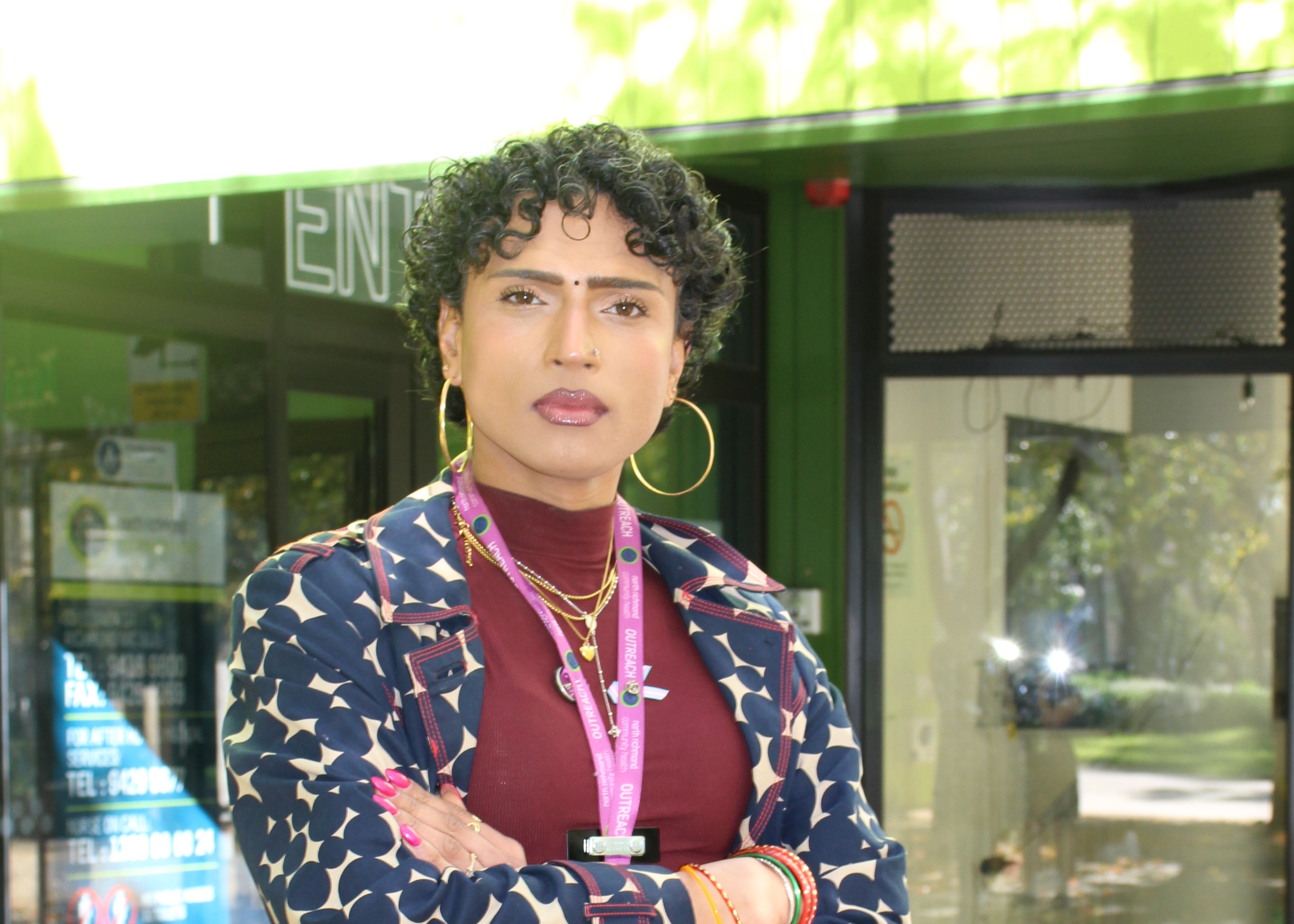
For AOD and mental health Registered Nurse Bhumi Devi, undertaking the Graduate Certificate in Addictive Behaviours has been life-changing.
“The course equipped me with critical knowledge, strengthened my clinical reasoning, and empowered me to challenge stigma and dominant narratives surrounding addiction,” she says.
It also helped her build the confidence to begin shaping her own pathway within the AOD sector, where clear specialist pathways for nurses are often limited.
But perhaps the most significant shift has been personal. While working in demanding clinical roles and undertaking further study, Bhumi was navigating her own gender transition.
“I genuinely believe that without support from Monash services, including counselling, disability services and student support, I would not have been able to complete the course,” she says.
This understanding and flexibility from the support services enabled Bhumi to continue her studies and graduate at the start of this year.
A need for nuanced, culturally informed responses
For Bhumi, undertaking the course was a long-held aspiration that began in 2022. “While working at Parkville Youth Mental Health and Wellbeing Services, I increasingly recognised a gap in addressing co‑occurring mental health and substance use issues within the public system,” she says.
Many young people presented with complex needs, yet integrated and specialised support was limited.
This professional observation was also deeply intertwined with personal motivations. “I bring lived experience of addictive behaviours, as well as exposure to substance use within my family,” she explains. “These experiences shaped my understanding of addiction not as an isolated pathology, but as something embedded within broader psychosocial and cultural contexts.”
Emerging patterns of substance use, particularly the rise of chemsex practices, further highlighted to her the need for more nuanced, culturally informed responses that were focused on harm reduction.
“The way the course challenges traditional, often reductionist models of addiction and instead promotes a biopsychosocial and person-centred framework, aligned strongly with my values and my vision for practice,” she says.
Supportive and inclusive study environment
For Bhumi, one of the most meaningful aspects of the course was the sense of community developed with other students. The diverse lived, professional and personal experiences from fellow students created a rich learning environment grounded in respect, compassion and shared purpose, she says.
“This collective space allowed us to deeply engage with human suffering, not just from a clinical perspective, but through connection, listening, and mutual support,” she says.
Academically, the course strengthened Bhumi’s understanding of evidence-based practice, particularly in applying the biopsychosocial model and the “4 Ps” formulation framework.
“This enabled me to explore multiple dimensions of understanding addiction within clinical practice as well as in broader community contexts. I developed a deeper awareness of the structural factors that shape substance use, including social injustice, inequity, racism, sexism, human rights violations, and the ongoing criminalisation of people who use drugs,” she says.
It also enhanced her ability to conduct comprehensive assessments, advocate for appropriate screening, and critically reflect on current practices to improve future clinical care.
“I found myself becoming more confident in integrating theory into practice, especially within complex AOD and mental health presentations,” she says.
Expanded career opportunities
Bhumi says that completing the course contributed to a profound evolution for her, not just personally but also professionally.
“I was offered a role as a Regional Pharmacotherapy Coordinator at La Trobe Community Health,” she says. “I’ve also had the privilege of working at a pill testing service, supporting individuals to reduce harm and make safer choices.”
She now works across the three organisations, including North Richmond Community Health, where she supports people with complex needs through outreach and community engagement.
“The course transformed not only my professional trajectory but also my way of being. It has deepened my capacity to approach individuals with compassion, respect, and non‑judgement, particularly during their most vulnerable moments,” she says.
For anyone considering signing up, Bhumi’s advice is to come with an open mind and a willingness to be challenged.
“The course invites you to reflect deeply on your own beliefs, biases and practice. Engaging fully in discussions, connecting with your peers and being open to discomfort at times will greatly enhance your learning experience,” she says.
- Take the next step in your career: explore the Addictive Behaviours Graduate Program.
- Watch our webinar: ‘Unlocking careers in alcohol and other drugs AOD services’ to hear firsthand insights from course leaders and students.
- Contact the Course Director A/Prof Kirsten Schliephake: [email protected]
- Learn about our range of opportunities in addiction at our Student Open Night 2026: Register here.
For media enquiries, email [email protected] or call 0478 854 644.